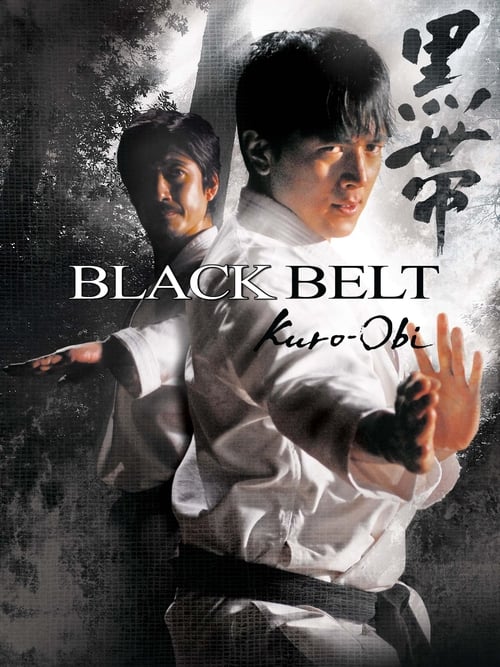
Black Belt
Real Fight, Real Karate, Real Japan.
Directed by Shunichi Nagasaki
Produced by Kuro-Obi Partners, Bandai Visual
A martial arts drama set in militaristic 1930s Japan that pits traditional karate masters against state power, blending physical discipline with historical tragedy.
Set in 1932, amid the rise of militarism after the establishment of the Manchukuo colony in Northeast China, the story centers on a trio of karateka. Studying under their aging master in a small dojo in the woods of central Kyushu, Choei, Taikan and Giryu face a company of kempeitai military police come to requisition their dojo for use as a military base.
Questions people ask
Is Black Belt scary? Yes. More frightening than 82% of films.
Is Black Belt sad? Yes. More sad than 82% of films.
Is Black Belt violent? Yes. More violent than 80% of films.
Does Black Belt end with hope? Not especially. Less hopeful than 70% of films.
Is Black Belt easy watching? About average. Almost exactly mid-range.
These describe how the film comes across, measured across the whole film and compared with other well-known films. They are not a content list — nothing here was counted or checked scene by scene, so for age-suitability or specific content use a classification board or a dedicated content-warning service.
Cinnamon Score
How much this film gives you that nothing else will, and whether it delivers.
Familiar shape, done well.
How unlike any other film this one feels
How much more it delivers than it promises
How much audiences actually like it
Ensemble






Like Black Belt
Nearest across the full emotional profile.
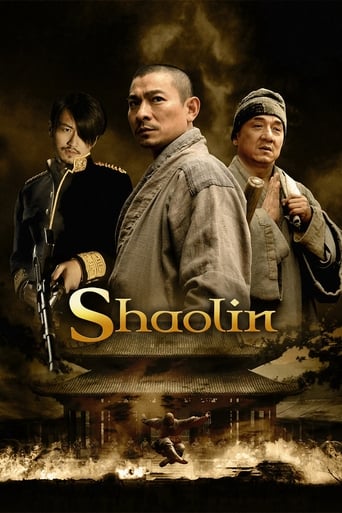

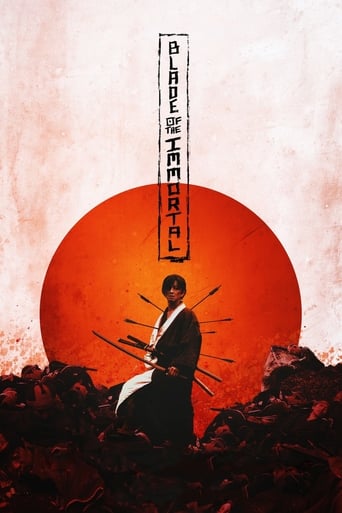
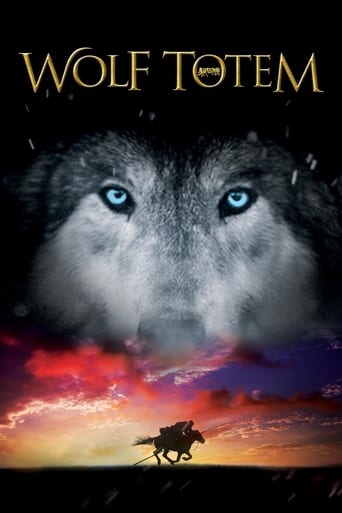

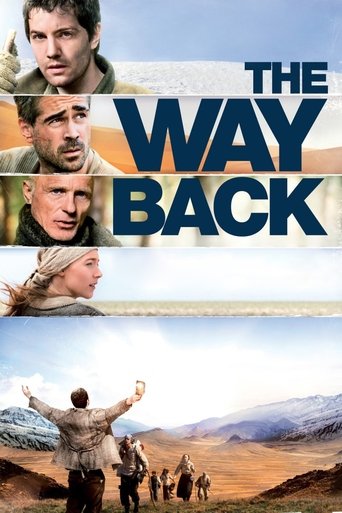
Same Mood as Black Belt
Nearest on what's most distinctive about this one.

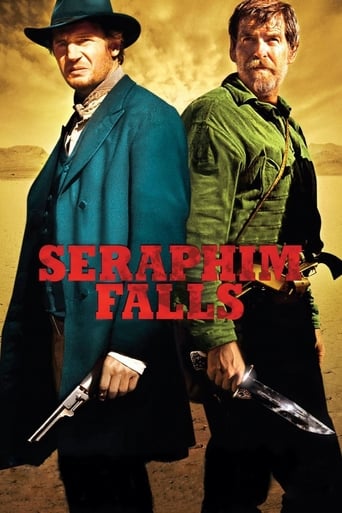
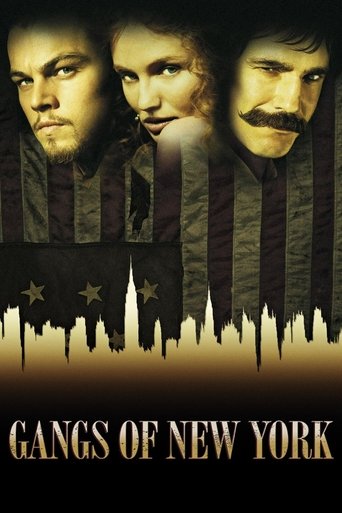
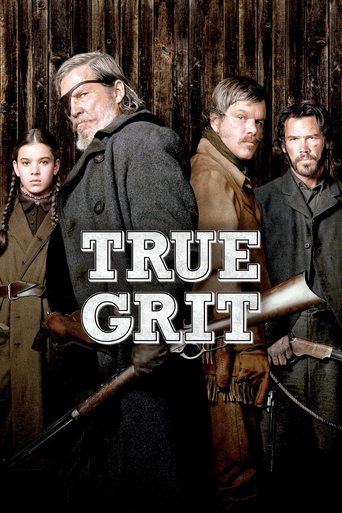
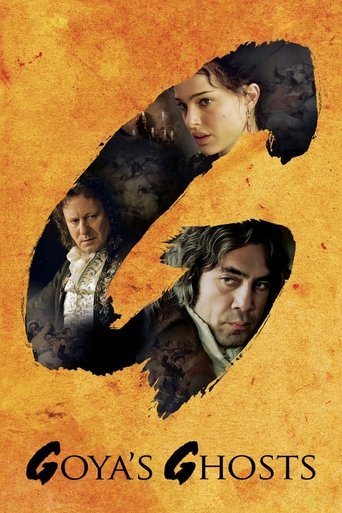
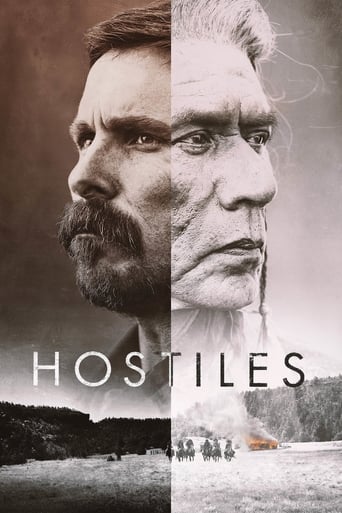
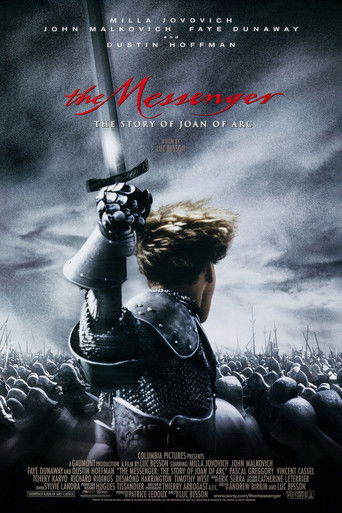
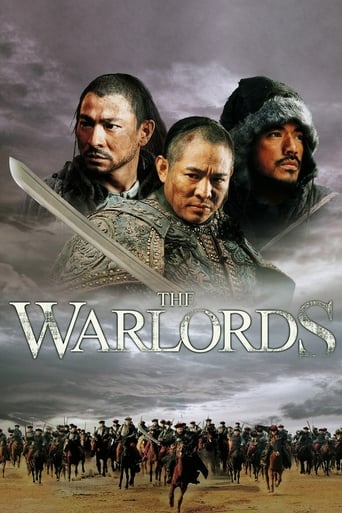
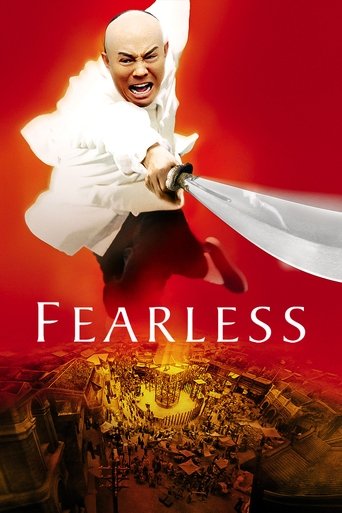
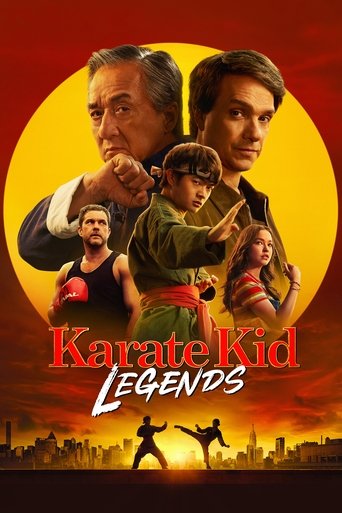
Like Black Belt, But Darker
Similar, pushed toward heavier and more intense.
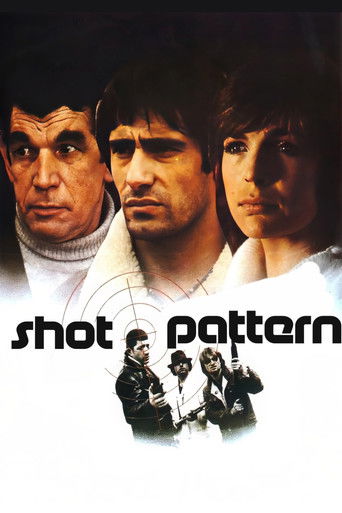

Like Black Belt, But Lighter
Similar, pushed toward warmer and easier.
Like Black Belt, But Less Popular
Same territory, far fewer people have seen it.