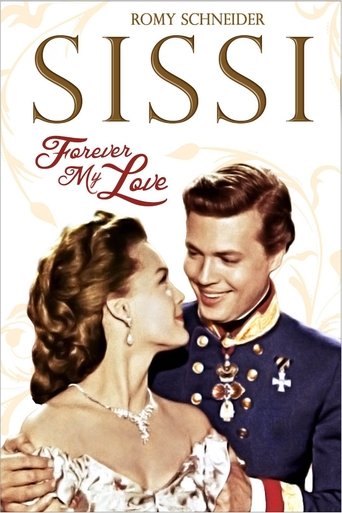
Cinderella
TV-version of the classic fairy tale, set to a Rodgers and Hammerstein score.
Directed by Charles S. Dubin
Produced by CBS Studios
A warm, enchanting musical fairy tale centered on transformation, kindness, and romantic hope, designed for family comfort and wonder.
After the success of the live 1957 Cinderella on CBS (with Julie Andrews), the network decided to produce another television version. The new script hewed closer to the traditional tale, although nearly all of the original songs were retained and performed in their original settings. Added to the Rodgers and Hammerstein score was "Loneliness of Evening", which had been composed for South Pacific but not used.
Questions people ask
Is Cinderella easy watching? Yes, very. More comforting than 99% of films.
Does Cinderella end with hope? Yes, very. More hopeful than 99% of films.
Is Cinderella scary? No. Less frightening than 98% of films.
Is Cinderella violent? No. Less violent than 92% of films.
Is Cinderella sad? Not especially. Less sad than 67% of films.
These describe how the film comes across, measured across the whole film and compared with other well-known films. They are not a content list — nothing here was counted or checked scene by scene, so for age-suitability or specific content use a classification board or a dedicated content-warning service.
Cinnamon Score
How much this film gives you that nothing else will, and whether it delivers.
You have seen this shape before.
How unlike any other film this one feels
How much more it delivers than it promises
How much audiences actually like it
Ensemble
Like Cinderella
Nearest across the full emotional profile.

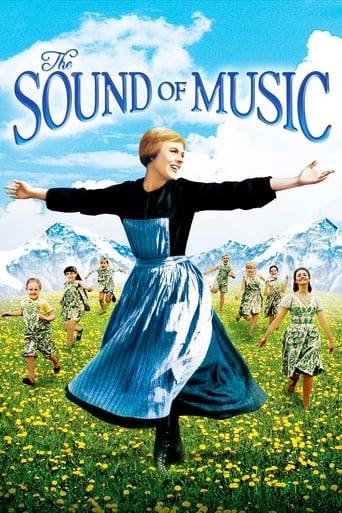
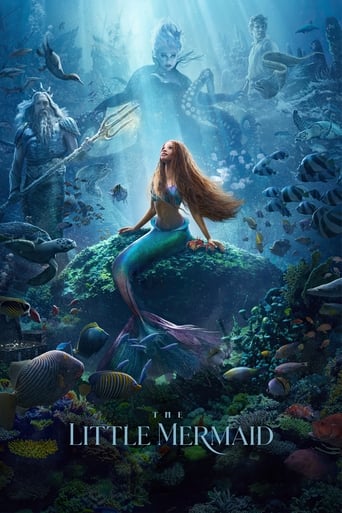
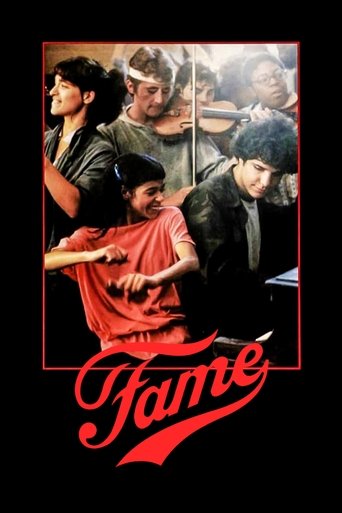
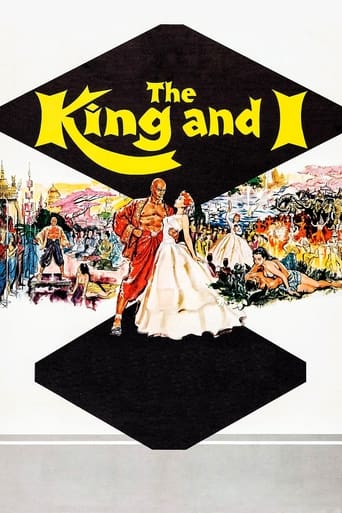

Same Mood as Cinderella
Nearest on what's most distinctive about this one.



Like Cinderella, But Darker
Similar, pushed toward heavier and more intense.





Like Cinderella, But Lighter
Similar, pushed toward warmer and easier.



Like Cinderella, But Less Popular
Same territory, far fewer people have seen it.