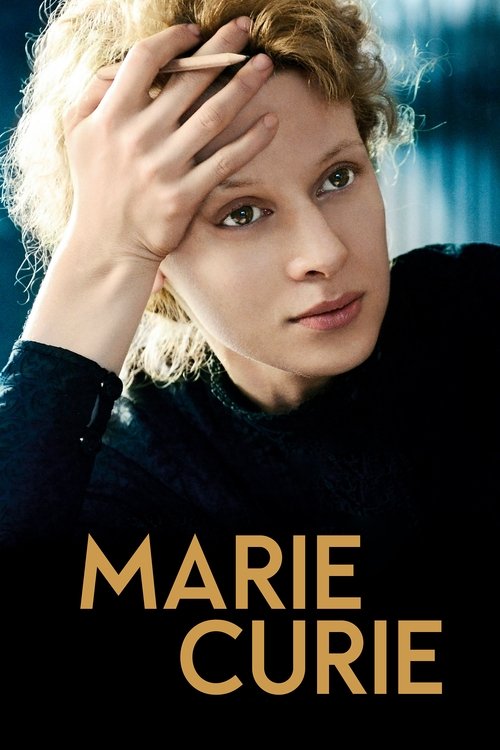
Marie Curie
Directed by Marie Noëlle
Produced by Pokromski Studio, Krakowskie Biuro Festiwalowe
A biographical drama tracing Marie Curie's struggle for scientific recognition and personal fulfillment amid institutional sexism and personal loss during her most pivotal years.
The most turbulent five years in the life of a genius woman: Between 1905, where Maria Skłodowska-Curie comes with Pierre Curie to Stockholm to be awarded the Nobel Prize for the discovery of the radioactivity, and 1911, where she receives her second Nobel Prize, after challenging France's male-dominated academic establishment both as a scientist and a woman.
Clusters
Questions people ask
Is Marie Curie violent? Barely. Less violent than 76% of films.
Is Marie Curie sad? Yes. More sad than 75% of films.
Is Marie Curie scary? Not especially. Less frightening than 65% of films.
Is Marie Curie easy watching? About average. Almost exactly mid-range.
Does Marie Curie end with hope? About average. Almost exactly mid-range.
These describe how the film comes across, measured across the whole film and compared with other well-known films. They are not a content list — nothing here was counted or checked scene by scene, so for age-suitability or specific content use a classification board or a dedicated content-warning service.
Cinnamon Score
How much this film gives you that nothing else will, and whether it delivers.
Conventional, and it does not land.
How unlike any other film this one feels
How much more it delivers than it promises
How much audiences actually like it
Ensemble










Like Marie Curie
Nearest across the full emotional profile.
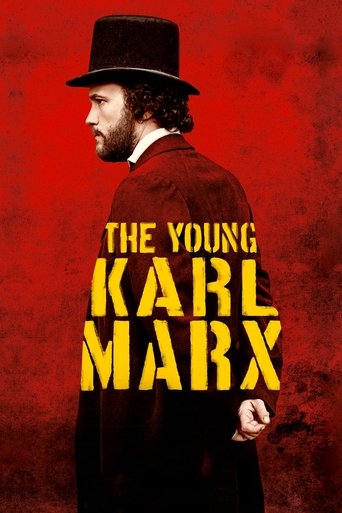

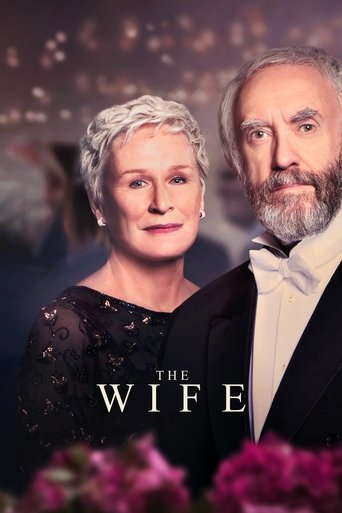
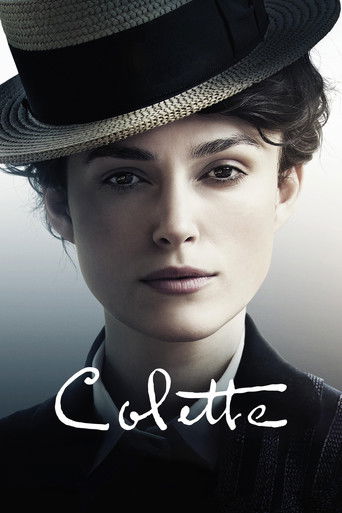



Same Mood as Marie Curie
Nearest on what's most distinctive about this one.



Like Marie Curie, But Darker
Similar, pushed toward heavier and more intense.



Like Marie Curie, But Lighter
Similar, pushed toward warmer and easier.


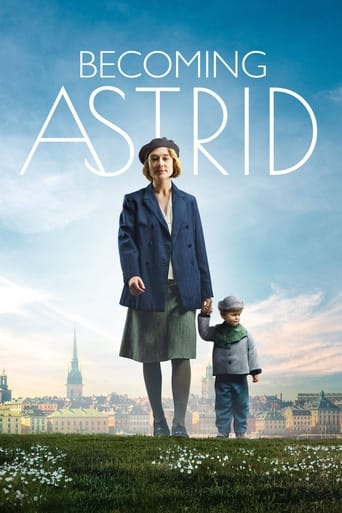
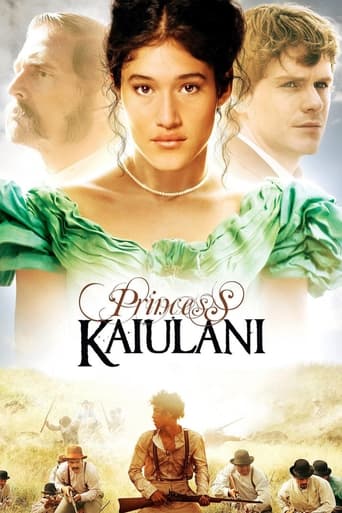

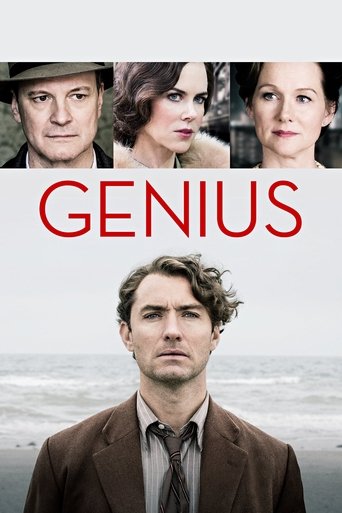
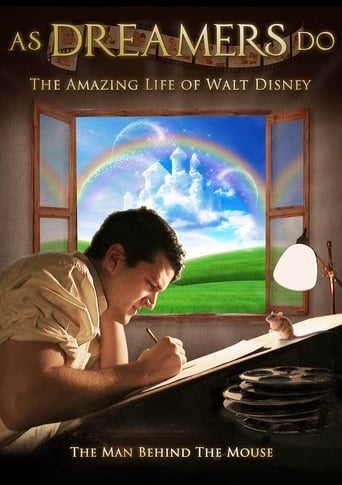
Like Marie Curie, But Less Popular
Same territory, far fewer people have seen it.