Medusa
Directed by Anita Rocha da Silveira
Produced by Bananeira Filmes, MyMama Entertainment
A darkly satirical horror-fantasy that weaponizes evangelical hypocrisy and religious fanaticism, using body horror and vigilante violence to interrogate faith, community, and the cost of ideological purity.
By day, Mari and her friends broadcast their spiritual devotion through pastel pinks and catchy evangelical songs about purity and perfection, and by night they form a vigilante girl gang, prowling the streets in search of sinners who have deviated from the rightful path. After an attack goes wrong, leaving Mari scarred and unemployed, her views of community, religion, and her peers begin to shift.
Clusters
Questions people ask
Is Medusa sad? Yes. More sad than 75% of films.
Is Medusa scary? Somewhat. More frightening than 72% of films.
Is Medusa violent? Somewhat. More violent than 71% of films.
Does Medusa end with hope? Not especially. Less hopeful than 70% of films.
Is Medusa easy watching? Not especially. Less comforting than 61% of films.
These describe how the film comes across, measured across the whole film and compared with other well-known films. They are not a content list — nothing here was counted or checked scene by scene, so for age-suitability or specific content use a classification board or a dedicated content-warning service.
Cinnamon Score
How much this film gives you that nothing else will, and whether it delivers.
You have seen this shape before.
How unlike any other film this one feels
How much more it delivers than it promises
How much audiences actually like it
Ensemble










Like Medusa
Nearest across the full emotional profile.
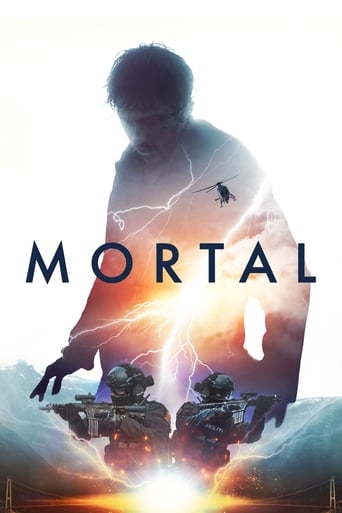
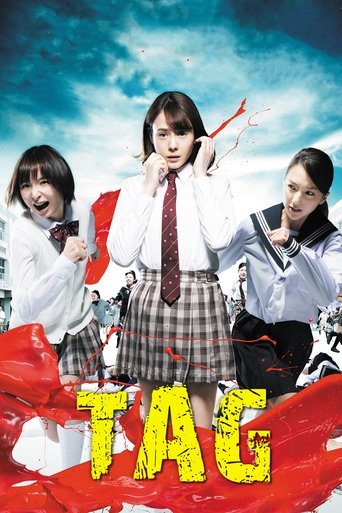

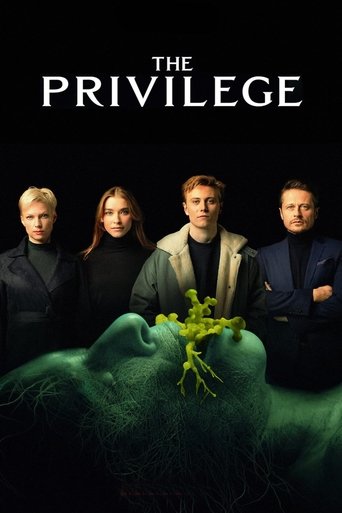
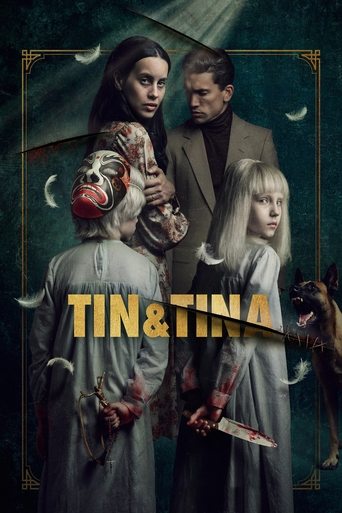
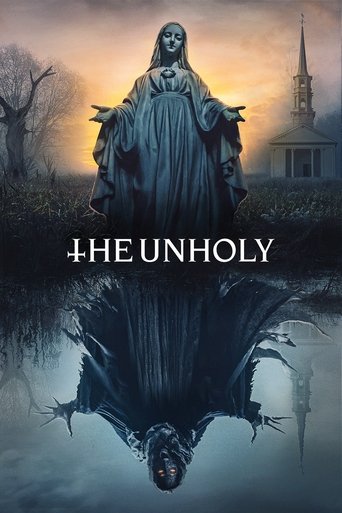
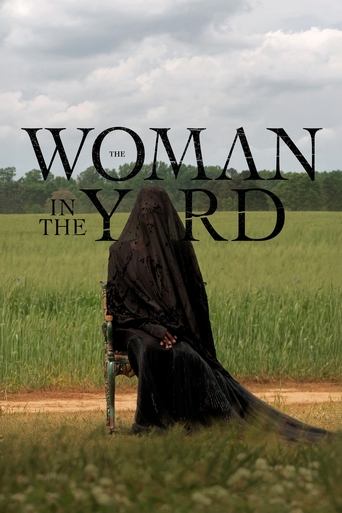
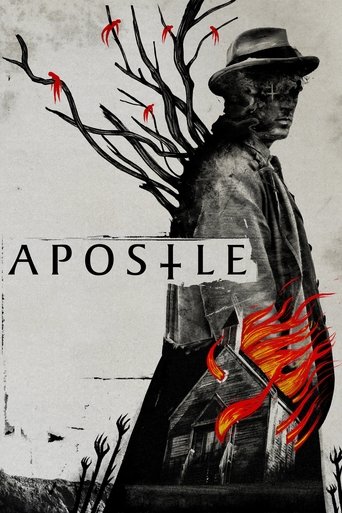
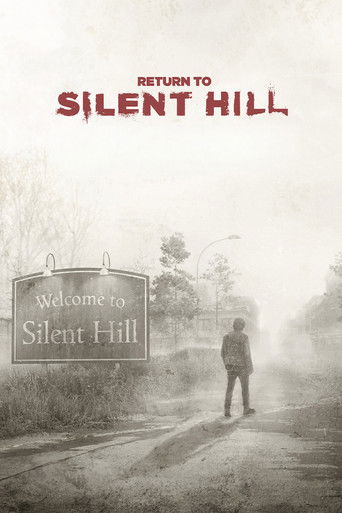

Same Mood as Medusa
Nearest on what's most distinctive about this one.
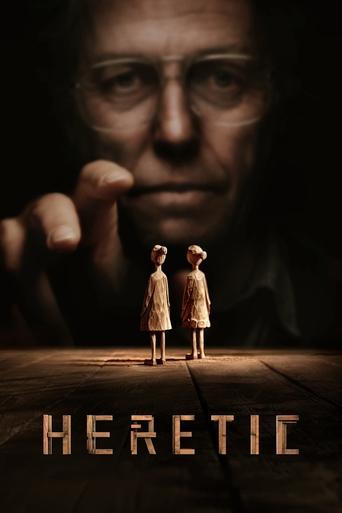
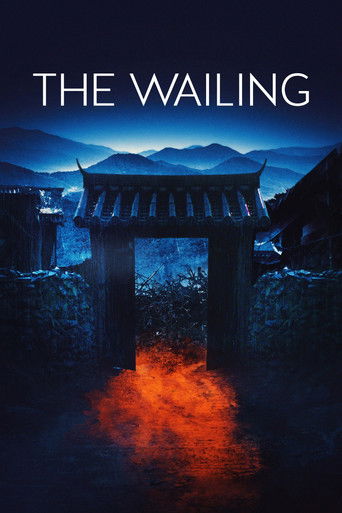

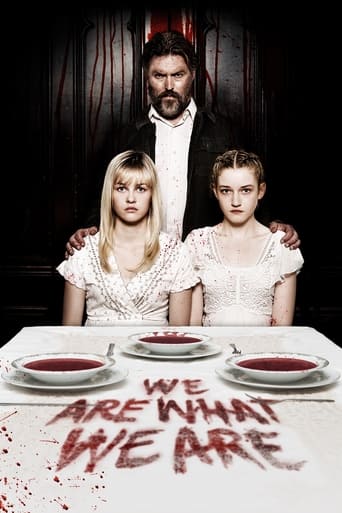

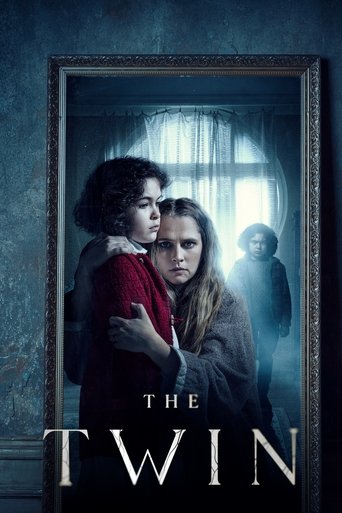

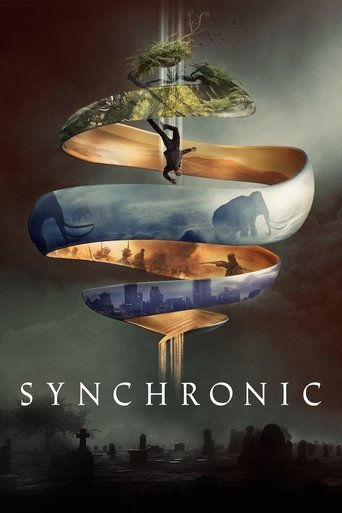
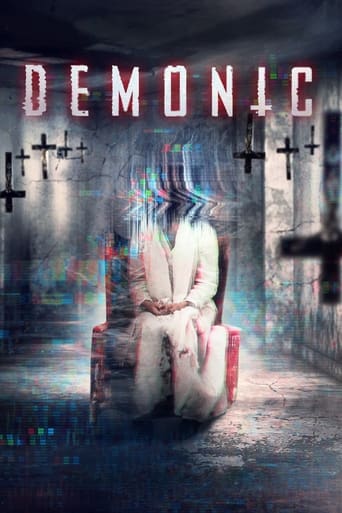
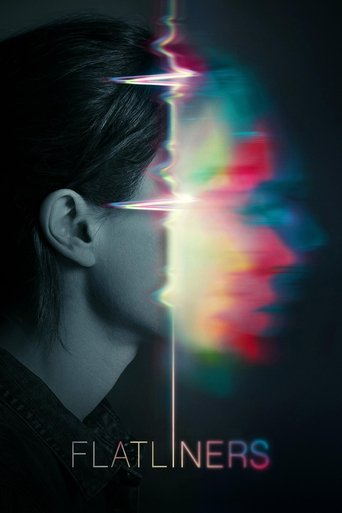
Like Medusa, But Darker
Similar, pushed toward heavier and more intense.


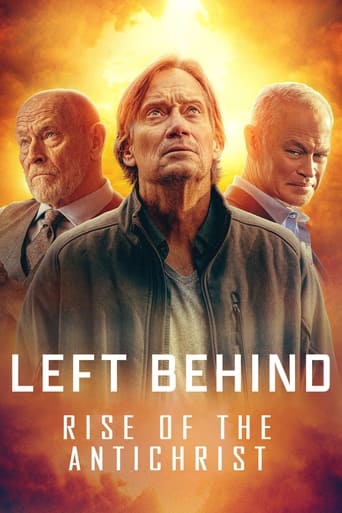



Like Medusa, But Lighter
Similar, pushed toward warmer and easier.

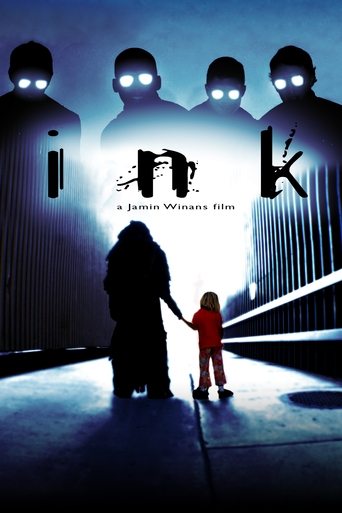


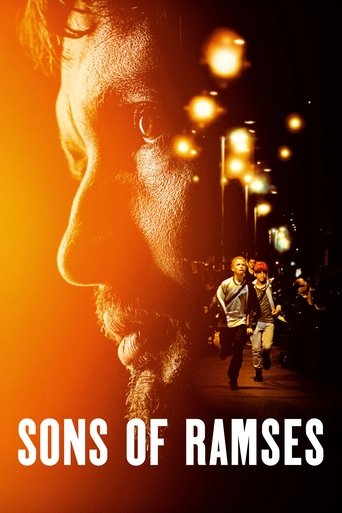
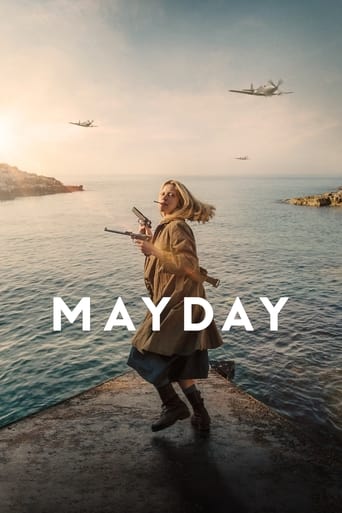
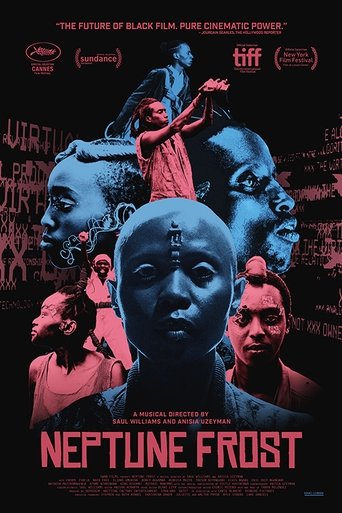

Like Medusa, But Less Popular
Same territory, far fewer people have seen it.