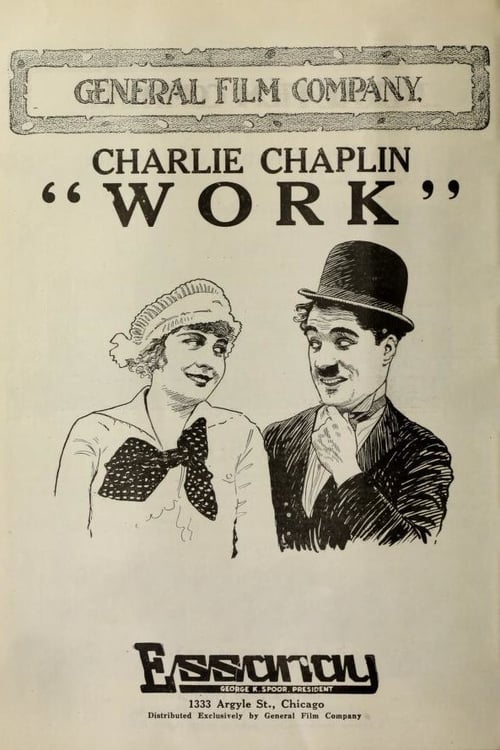
Work
Directed by Charlie Chaplin
Produced by The Essanay Film Manufacturing Company
A frenetic silent slapstick comedy built on physical chaos, domestic mishaps, and escalating destruction, driven entirely by comedic momentum and visual gags.
Charlie and his boss have difficulties just getting to the house they are going to wallpaper. The householder is angry because he can't get breakfast and his wife is screaming at the maid as they arrive. The kitchen gas stove explodes, and Charlie offers to fix it. The wife's secret lover arrives and is passed off as the workers' supervisor, but the husband doesn't buy this and fires shots. The stove explodes violently, destroying the house.
Clusters
Genres
Questions people ask
Is Work sad? No. Less sad than 97% of films.
Is Work scary? Barely. Less frightening than 76% of films.
Does Work end with hope? Not especially. Less hopeful than 64% of films.
Is Work violent? About average. Almost exactly mid-range.
Is Work easy watching? About average. Almost exactly mid-range.
These describe how the film comes across, measured across the whole film and compared with other well-known films. They are not a content list — nothing here was counted or checked scene by scene, so for age-suitability or specific content use a classification board or a dedicated content-warning service.
Written about
Cinnamon Score
How much this film gives you that nothing else will, and whether it delivers.
Familiar shape, done well.
How unlike any other film this one feels
How much more it delivers than it promises
How much audiences actually like it
Ensemble





Like Work
Nearest across the full emotional profile.





Same Mood as Work
Nearest on what's most distinctive about this one.
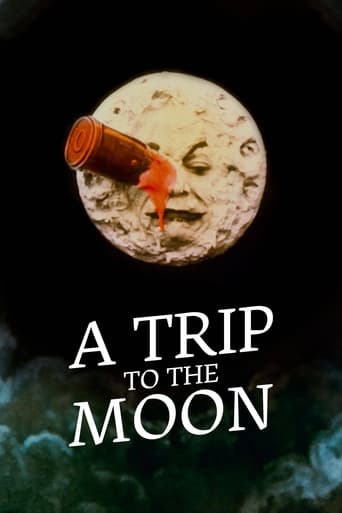

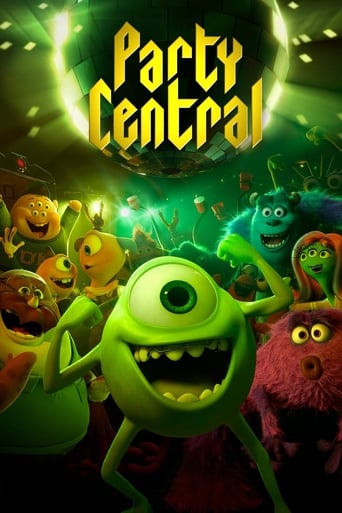
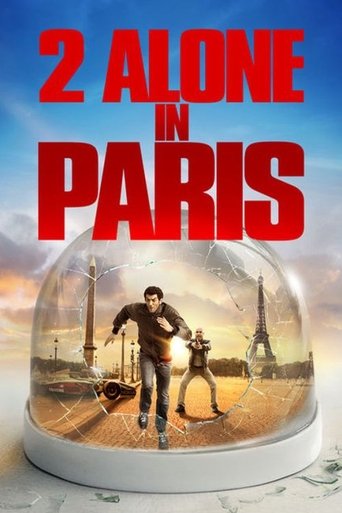

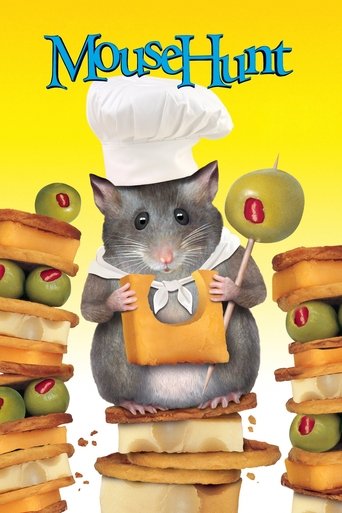

Like Work, But Darker
Similar, pushed toward heavier and more intense.

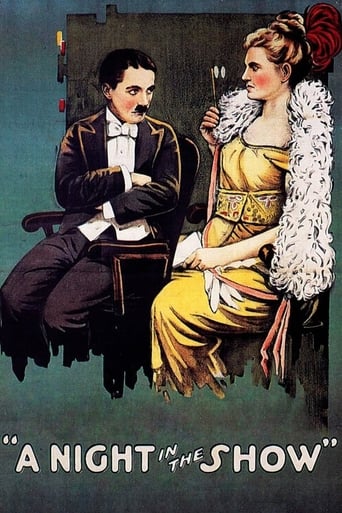
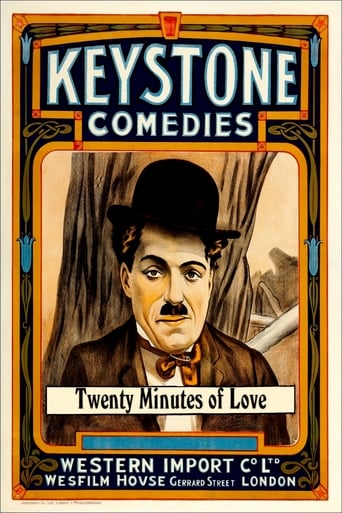
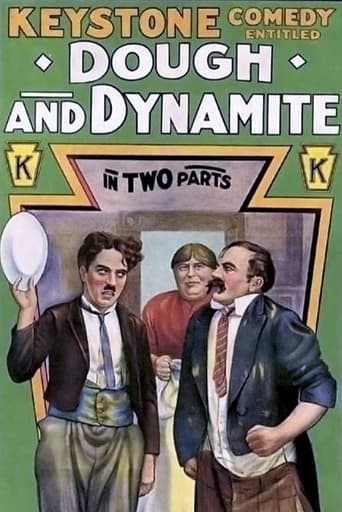
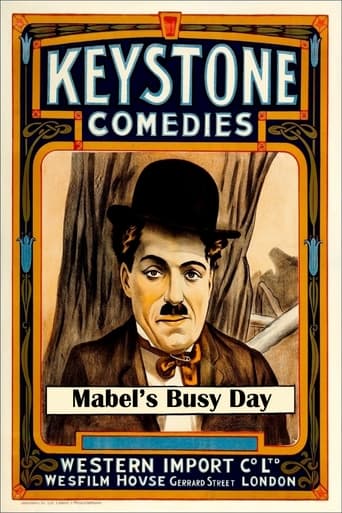
Like Work, But Lighter
Similar, pushed toward warmer and easier.
Like Work, But Less Popular
Same territory, far fewer people have seen it.