Bread
Created by Carla Lane
On BBC One
A warm, family-centered British sitcom that finds humour and resilience in working-class hardship and petty criminality, anchored by a strong matriarch holding her chaotic household together.
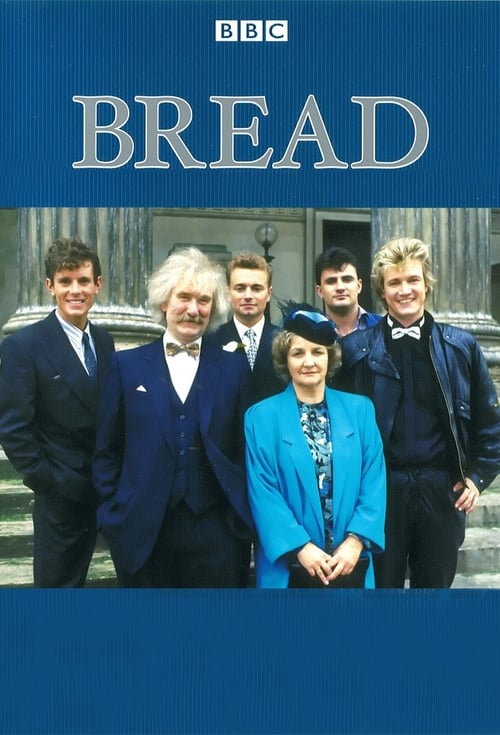
Bread is a British television sitcom, written by Carla Lane, produced by the BBC and screened on BBC1 from 1 May 1986 to 3 November 1991. The series focused on the devoutly-Catholic and extended Boswell family of Liverpool, in the district of Dingle, led by its matriarch Nellie through a number of ups and downs as they tried to make their way through life in Thatcher's Britain with no visible means of support. The street shown at the start of each programme is Elswick Street. A family called Boswell had also featured in Lane's earlier sitcom The Liver Birds and Lane admitted in interviews that the two families were probably related. Nellie's feckless and estranged husband, Freddie, left her for another woman known as 'Lilo Lill'. Her children Joey, Jack, Adrian, Aveline and Billy continued to live in the family home in Kelsall Street and contributed money to the central family fund, largely through benefit fraud and the sale of stolen goods.
Clusters
Genres
Questions people ask
Is Bread easy watching? Yes. More comforting than 79% of series.
Is Bread violent? Barely. Less violent than 78% of series.
Is Bread sad? Somewhat. More sad than 66% of series.
Is Bread scary? Not especially. Less frightening than 59% of series.
Does Bread leave you hopeful? About average. Almost exactly mid-range.
These describe how the series comes across across its whole run, compared with other well-known series. They are not a content list — nothing here was counted or checked episode by episode, so for age-suitability or specific content use a classification board or a dedicated content-warning service.
Cinnamon Score
How much this series gives you that nothing else will, and whether it delivers.
Familiar shape, done well.
How unlike any other series this one feels
How much more it delivers than it promises
How much audiences actually like it
Ensemble







Like Bread
Nearest across the full emotional profile.
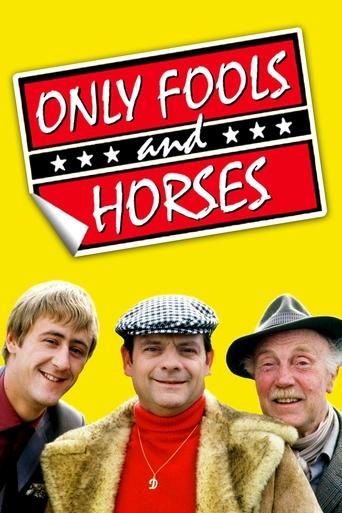
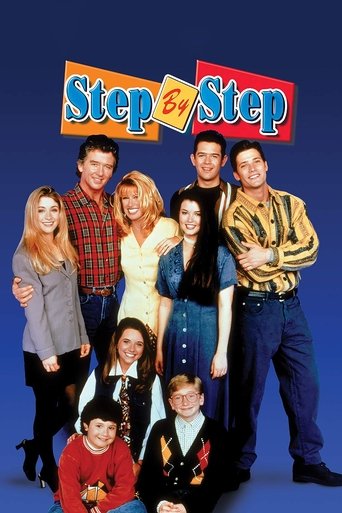
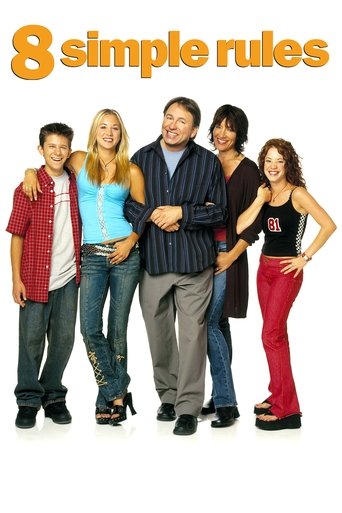
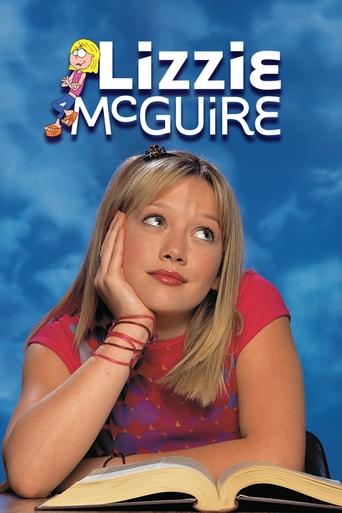
Same Mood as Bread
Nearest on what's most distinctive about this one.



Like Bread, But Darker
Similar, pushed toward heavier and more intense.
Like Bread, But Lighter
Similar, pushed toward warmer and easier.
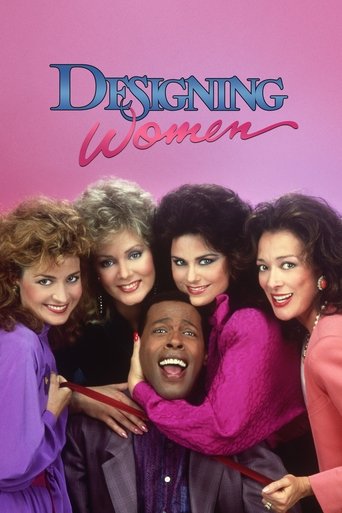
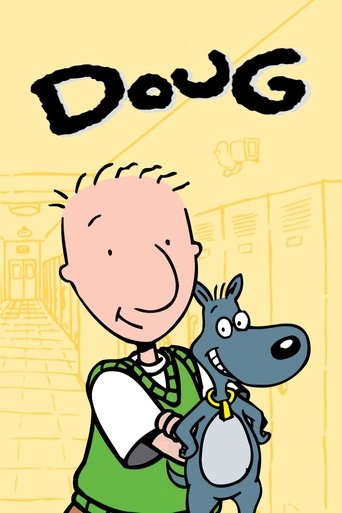
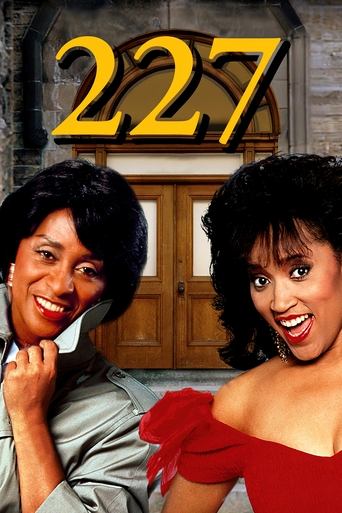
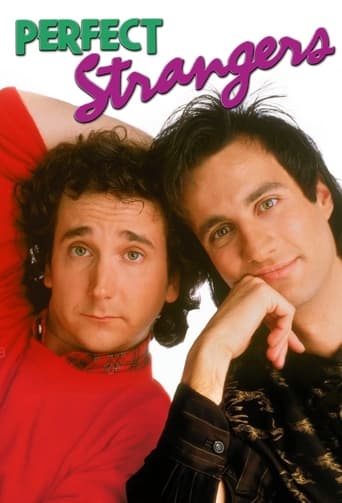

Like Bread, But Less Popular
Same territory, far fewer people have seen it.