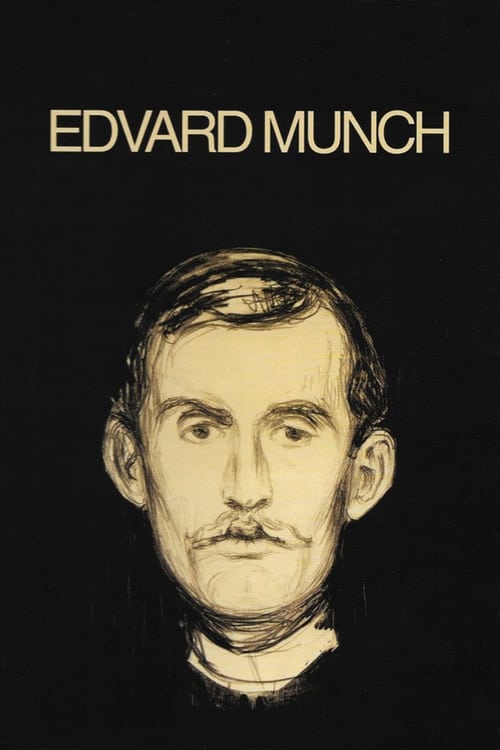
Edvard Munch
A superlative film
Directed by Peter Watkins
Produced by Norsk Film, Sveriges Radio
A poetic, introspective biographical study of Munch's formative trauma and artistic awakening, rendered with painterly beauty and philosophical depth.
Edvard Munch's childhood is overshadowed by death: he suffers the loss of his sister and mother, while enduring serious illness himself, almost dying. At university, Munch discovers his talent as a painter. As he immerses himself in the art world, he becomes part of a cultural revolution led by the likes of nihilist Hans Jæger.
Clusters
Questions people ask
Is Edvard Munch sad? Yes, very. More sad than 99% of films.
Is Edvard Munch violent? Barely. Less violent than 76% of films.
Does Edvard Munch end with hope? Not especially. Less hopeful than 64% of films.
Is Edvard Munch easy watching? Not especially. Less comforting than 61% of films.
Is Edvard Munch scary? Not especially. Less frightening than 58% of films.
These describe how the film comes across, measured across the whole film and compared with other well-known films. They are not a content list — nothing here was counted or checked scene by scene, so for age-suitability or specific content use a classification board or a dedicated content-warning service.
Cinnamon Score
How much this film gives you that nothing else will, and whether it delivers.
Distinctly its own thing.
How unlike any other film this one feels
How much more it delivers than it promises
How much audiences actually like it
Ensemble

Like Edvard Munch
Nearest across the full emotional profile.
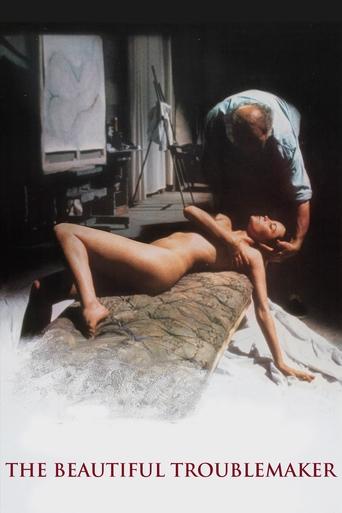
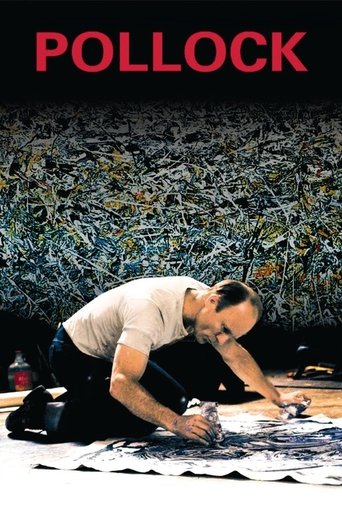
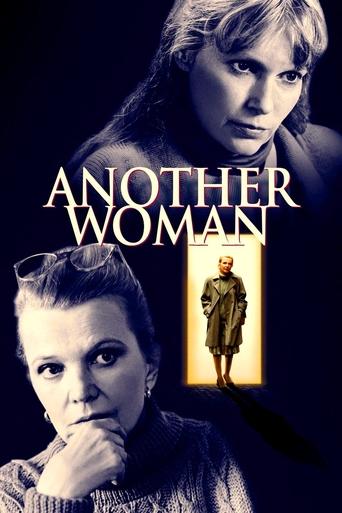
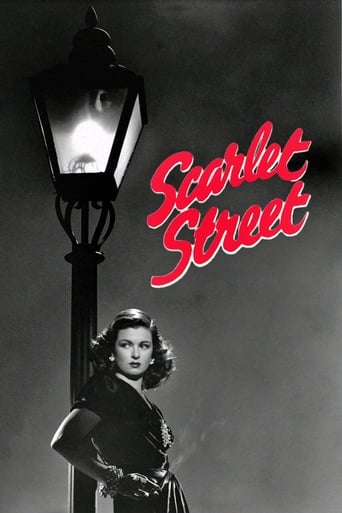

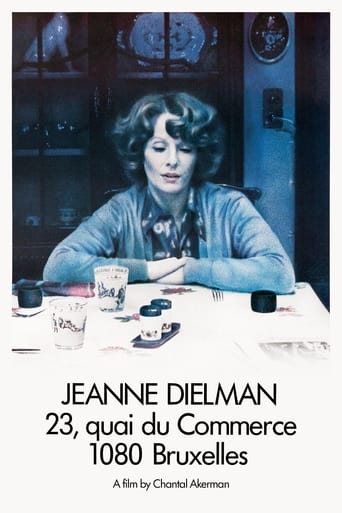
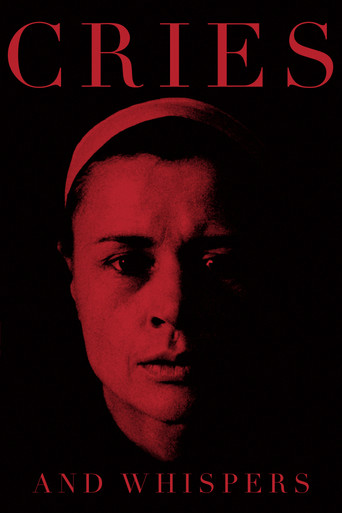
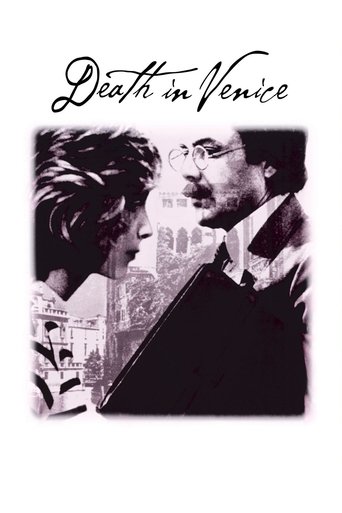
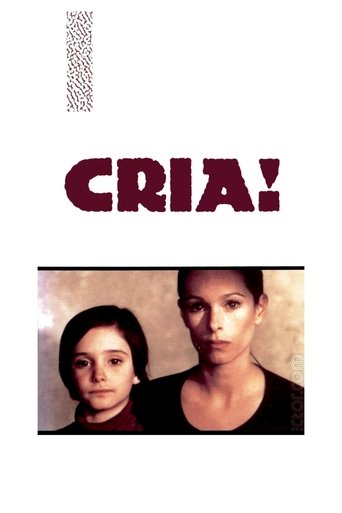
Same Mood as Edvard Munch
Nearest on what's most distinctive about this one.



Like Edvard Munch, But Darker
Similar, pushed toward heavier and more intense.

Like Edvard Munch, But Lighter
Similar, pushed toward warmer and easier.

Like Edvard Munch, But Less Popular
Same territory, far fewer people have seen it.