Cinnamon DB
Articles
Every film and series here carries twenty emotional readings — how dark, how playful, how tense, how tender. These are the things that turn up when you look at all of them at once.
Long reads
Pieces that argue something, with the working shown.
Seven Good Years
Everybody agrees the superhero film collapsed, and the raw numbers agree with everybody. They are also useless: they measure how long a film has been out. Against films its own size, the genre gave back an advantage it only ever held for seven years — and spent the rest of its life, including right now, slightly behind.
The Year Has a Mood
The darkest films of the year and the warmest films of the year come out six weeks apart — the same shape every year for four decades. Most of it is genre: horror releases in October. Hold the genre still and two thirds of it is still there, January’s rating floor included.
The Three-Year Echo
Two asteroid films in one summer, two volcano films in one spring. The twin-film phenomenon is real — but the peak is not the same year. It is three years later, which is roughly how long a film takes to make. Hollywood does not race. It replies.
Whose Film Is It?
Director, star or studio — measured the same way, against the same baseline, with sequels thrown out. The director wins. The star is worth about seventy percent of that, which nobody expects. The studio barely registers at all.
What a Director Actually Decides
A director’s fingerprint is real and measurable — but most of what people hear as a signature is the genre. Control for it and violence and romance fall to zero; what survives is ambiguity. By this measure the auteurs have the least consistent work of all.
The Middle Fell Out
Cinema did not get less varied — the part of it you are shown did. Across the whole catalogue films sit almost as far apart as they ever have. Across the most-watched and the most expensive films, the gap has closed by an eighth and is still closing.
The 38 Percent
Twenty numbers about how a film feels predict 38% of what audiences think of it — no cast, no director, no budget, no genre. Beauty does half again more work than anything else, and hope does none at all.
The Shape of a Century
Twenty readings find the 1970s without being told the 1970s happened — hope, comfort, darkness and paranoia all at their extremes in the same decade. What has changed since is not the films but which films get made.
Films that are kind to you
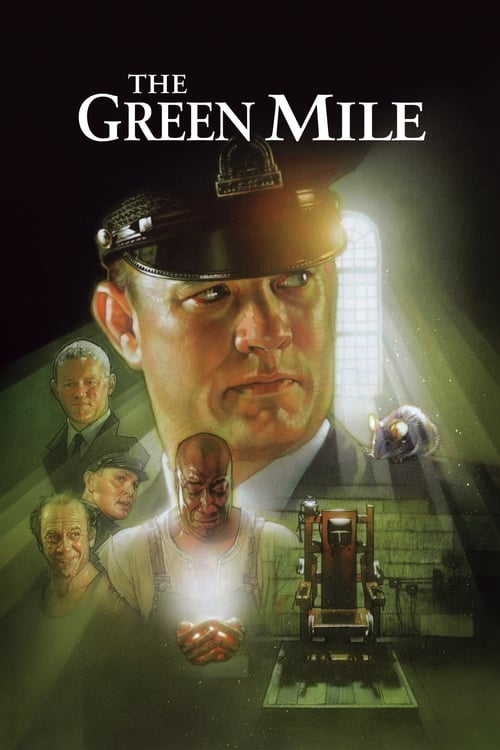
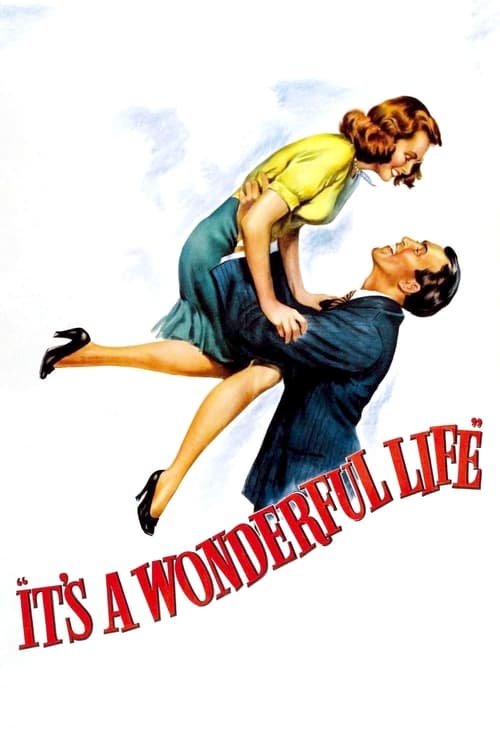
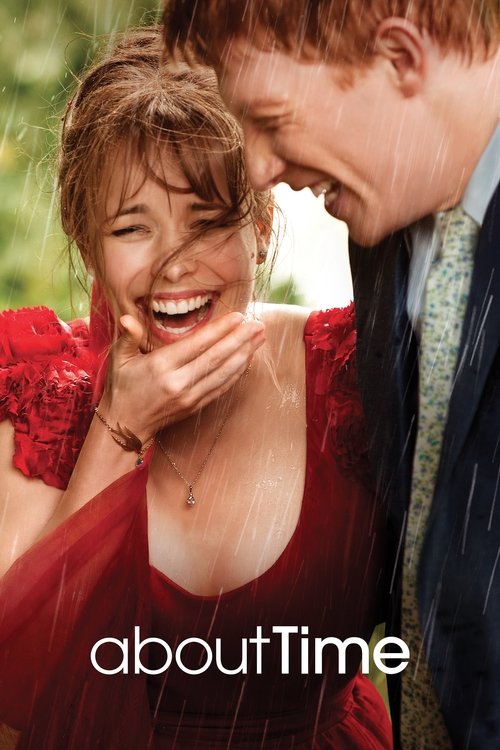
Warm, playful and comforting at once. That combination was 35.4% of the catalogue in the 1990s and is 27.1% today — but there are more such films now than in any decade before, because the catalogue grew faster than the share fell. They are not gone. They are buried.
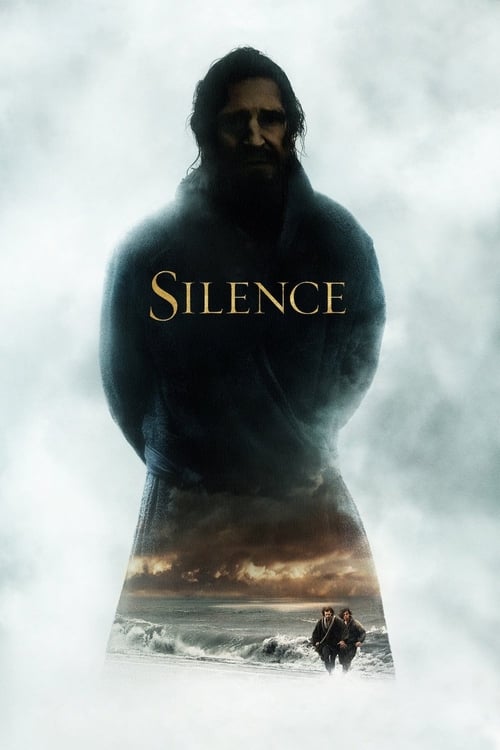
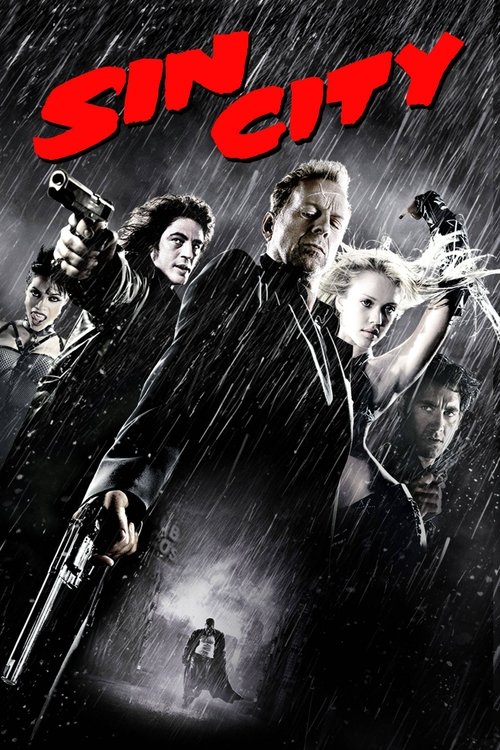
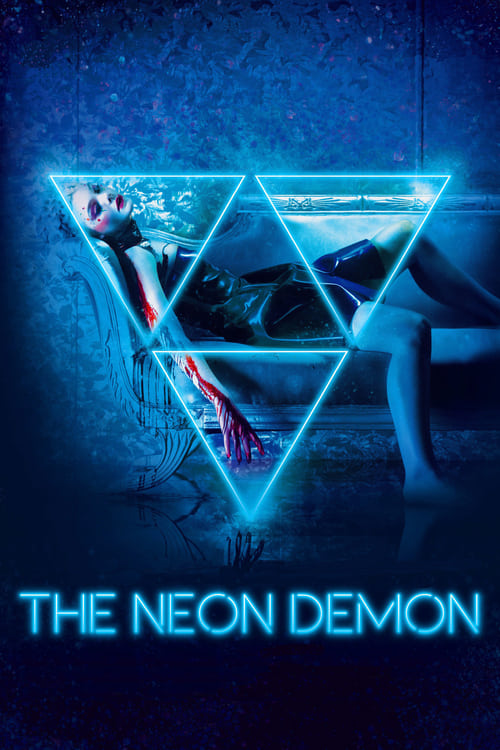
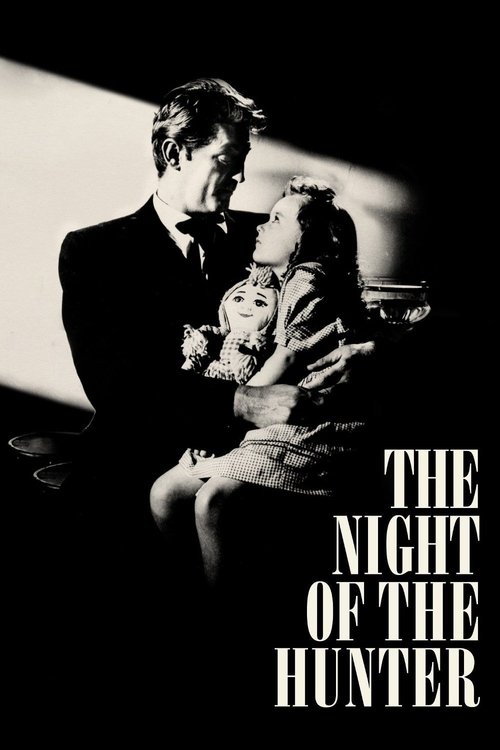
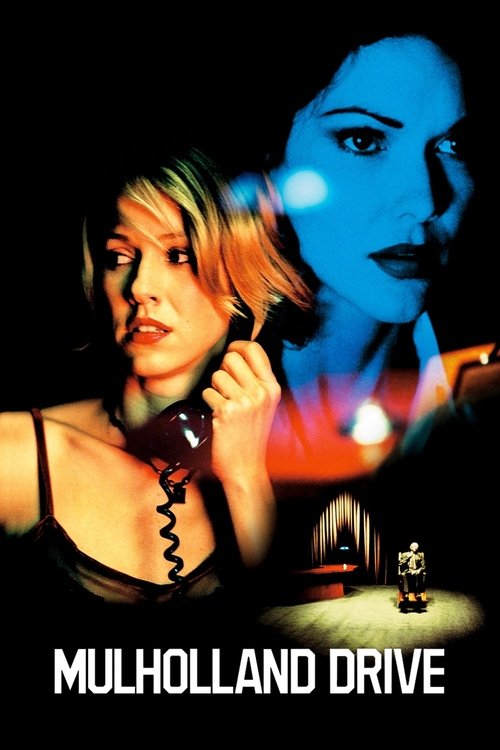

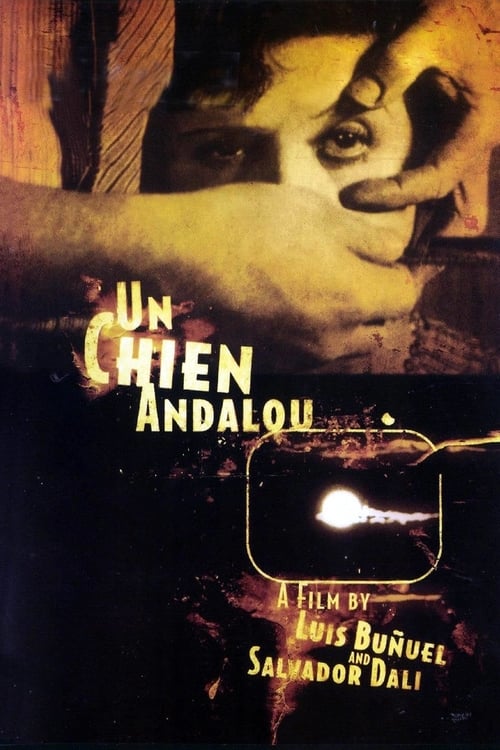
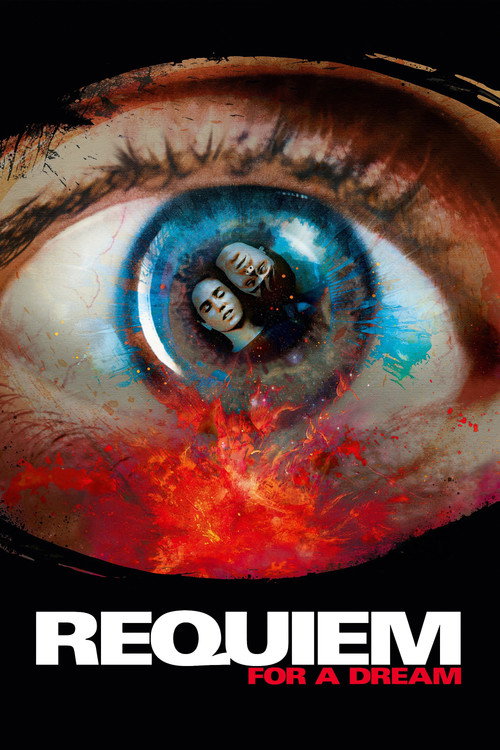
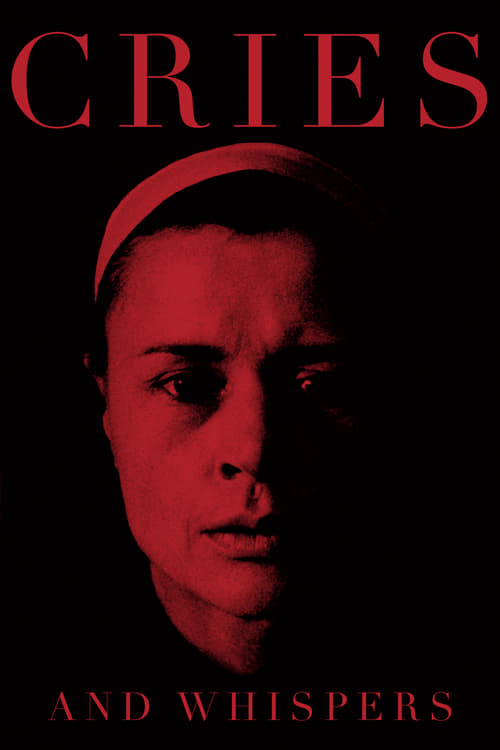

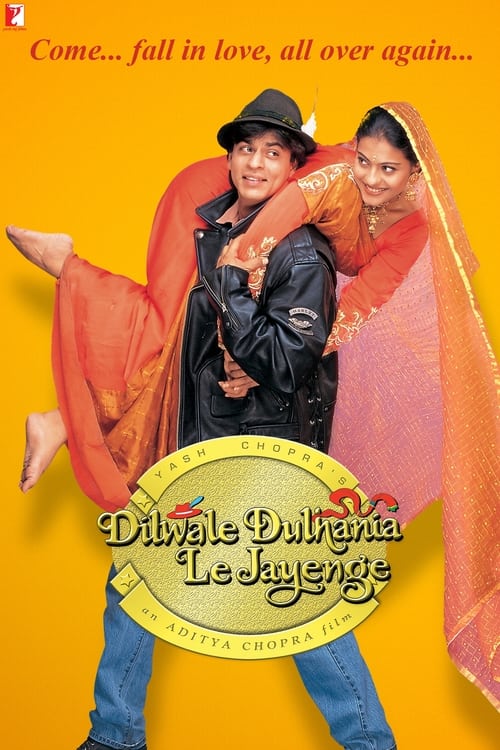
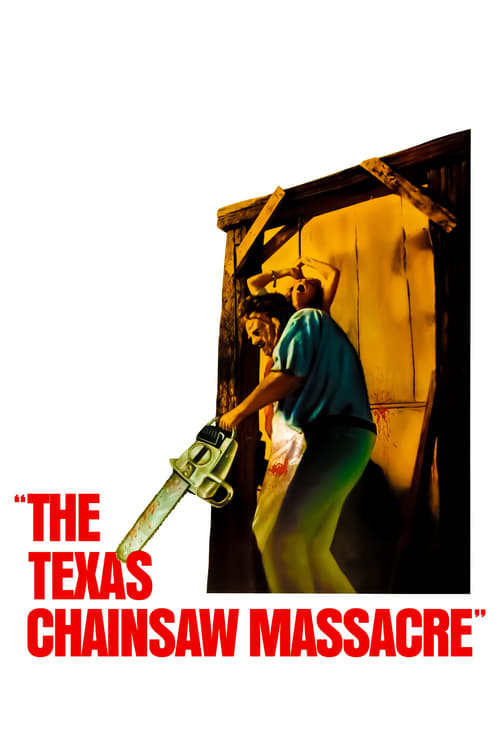
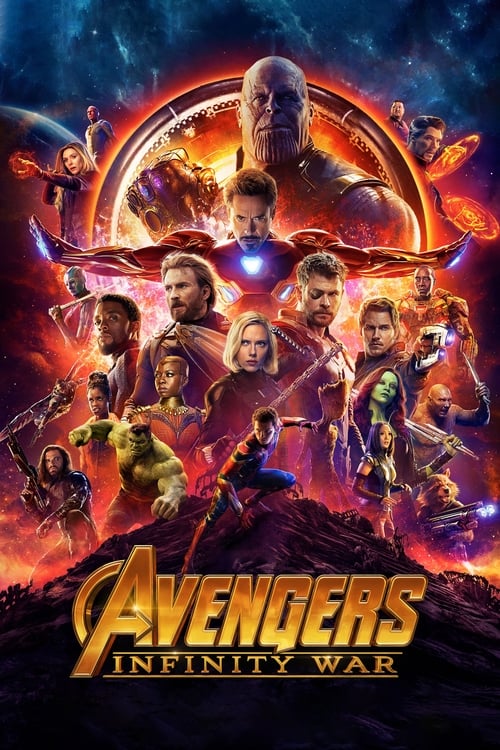
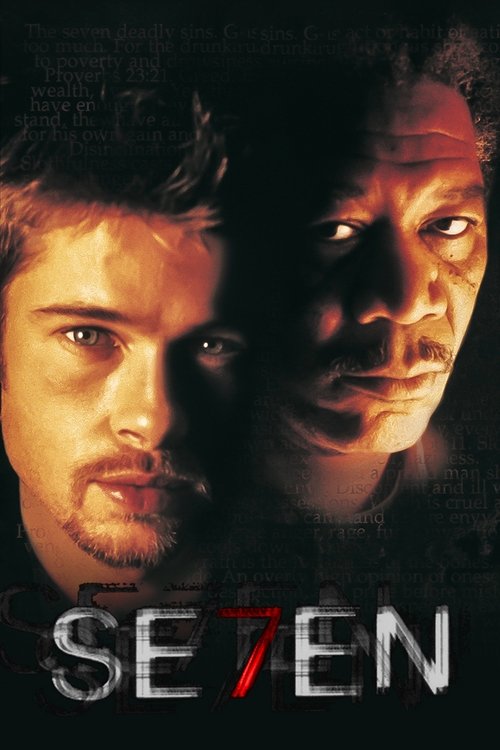

Shelves
One finding each, and the films or series it is drawn from. A shelf is the evidence rather than the essay: you disagree with it by browsing it.
The Cinnamon Hundred
The highest Cinnamon Scores in the catalogue. Not the best films ever made -- the ones you cannot get anywhere else, and that earn it.
The Cinnamon Hundred: TelevisionTV
The highest Cinnamon Scores in the television catalogue. Not the best series ever made -- the ones you cannot get anywhere else, and that earn it.
Films that refuse to resolve
Films that end without telling you what happened, or what it meant. The kind of film that has become steadily rarer.
Better than it has any right to be
Films audiences rate far above what their emotional shape predicts. The twenty readings can see what a film is about. They cannot see whether it is any good at it, and this is the gap.
Comforting and profound
The rarest thing a film can be: heavy enough to mean something and kind enough to sit with. Sixty-six films out of fourteen thousand manage both.
Television, which is where comfort wentTV
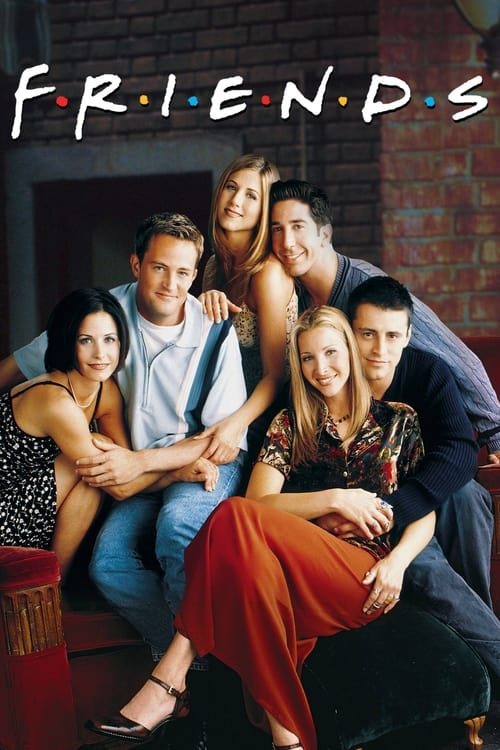
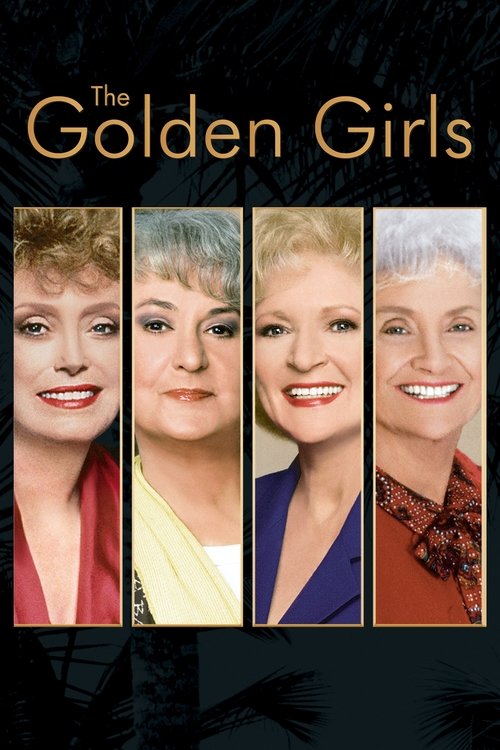
Series that do what films increasingly do not: sit with you. The warmest, most companionable end of the TV catalogue.
Sad and funny at once
Thirty-six films hold grief and playfulness at full strength simultaneously. It is the hardest trick in cinema and almost nobody lands it.
Alone in the frame
Sadness without company. Films that sit with isolation rather than resolving it into connection.
Strange but warm
Odd films that like you. Weirdness usually comes with a chill; this is the corner where it does not.
The A24 coordinate
Heavy and thinking at once, across every studio. The house style, measured and then applied to the whole catalogue.
Beautiful and bleak
The most beautiful films are not the kindest ones. Four hundred of them are both gorgeous and unforgiving.
Dread without blood
Maximum tension, minimum violence. Horror and thriller that work on the nerves rather than the stomach.
Television that will not let you relaxTV
The other end of the TV catalogue: series that run on dread rather than company.
Nothing but joy
High energy, no shadow. The films that want nothing from you except that you enjoy them.
Worth the two and a half hours
The long ones. Films that run well past two hours are, as a group, rated distinctly higher than short ones -- and they buy that with weight, not with charm.
The heaviest cinema in the world
German-language film, which measures as the most melancholy and the most existentially weighted of any major national cinema.
The strangest cinema in the world
Japanese film, which measures stranger than any other national cinema by a clear margin.